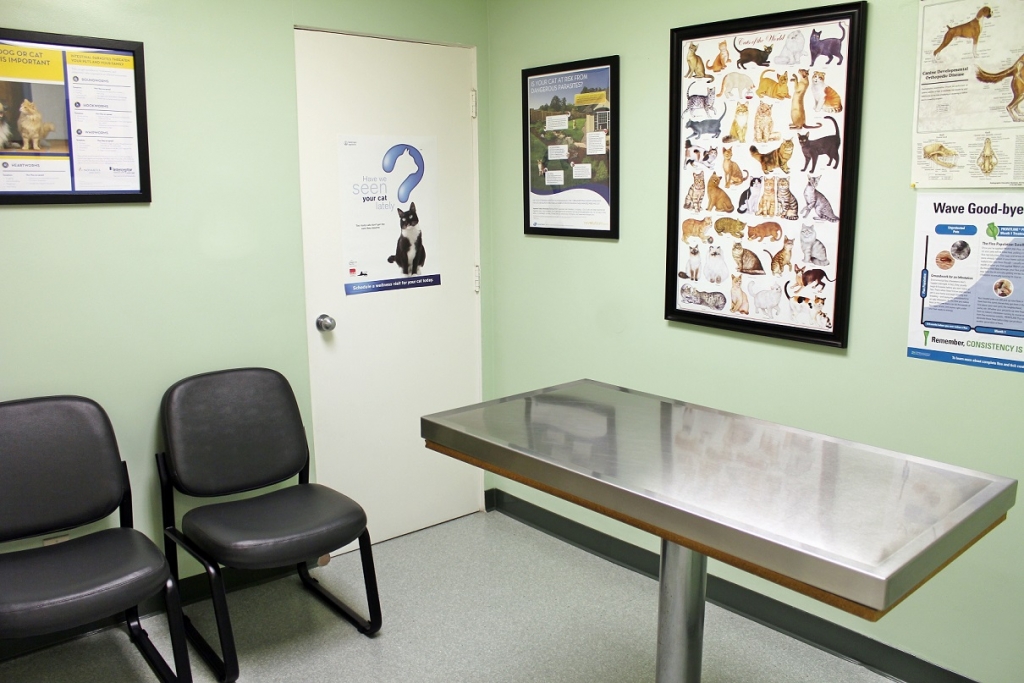
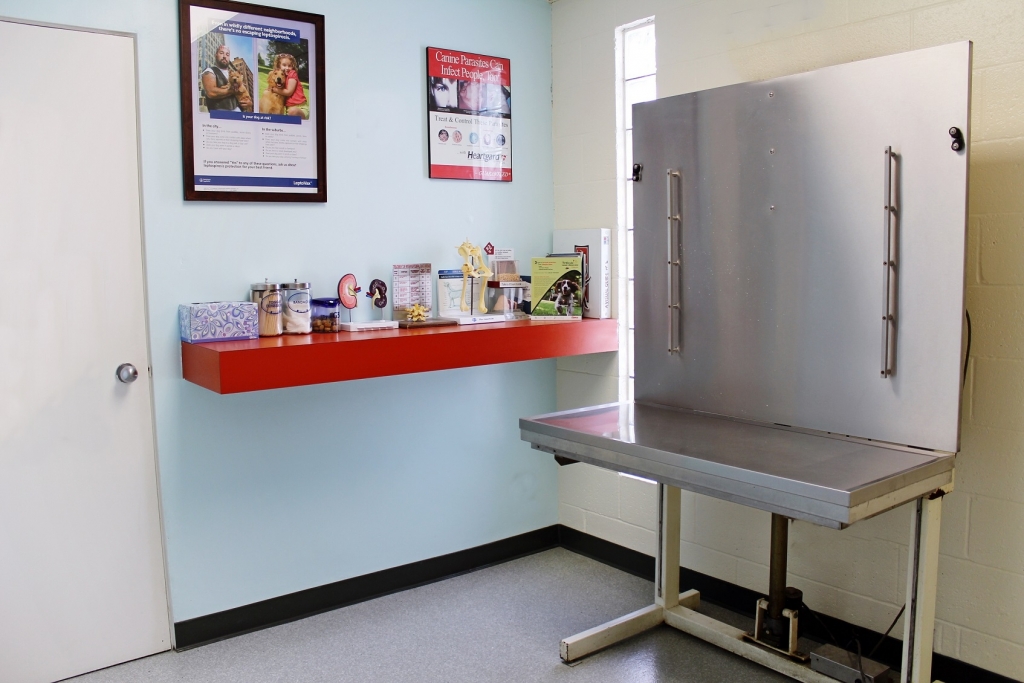
We provide comprehensive veterinary care using modern diagnostics, advanced treatments, preventive medicine, and compassionate care to help your pets live healthier, happier lives.
🐾 Diagnostic & Therapeutic Services
Our hospital is equipped to provide complete diagnostic and therapeutic services for your pet’s healthcare needs.
🐾 Internal Medicine Consultations
We work with specialists in internal medicine, neurology, surgery, cardiology, dermatology, and oncology for advanced diagnostics and treatment.
🐾 Laboratory Services
Our in-house laboratory and commercial veterinary laboratories provide accurate testing for disease diagnosis and treatment.
🐾 Wellness Care
Routine wellness exams help prevent disease and detect health issues early for lifelong pet wellness.
🐾 Microchip Identification
Permanent microchip identification improves the chances of reuniting lost pets with their families.
🐾 Pharmacy
We stock medications, prescription diets, flea & tick prevention, heartworm preventatives, vitamins, and more.
🐾 Flea Control Programs
Customized flea prevention programs designed specifically for your pet, home, and environment.
🐾 Dietary Counseling
Professional nutritional guidance for every life stage including growth, weight management, and special dietary needs.
🐾 Behavioral Counseling
Advice and treatment plans for barking, chewing, scratching, digging, aggression, house soiling, and other behavioral concerns.
Pain Management
We provide individualized pain management plans based on your pet’s age, health condition, and comfort level. Proper pain management helps reduce stress, speeds recovery, and improves quality of life.
Pets naturally hide pain. Early recognition and treatment are essential for faster recovery and better long-term health.
Common Types of Pain
- Acute Pain – Caused by injury, surgery, or infection.
- Chronic Pain – Lasts longer than two weeks and may result from arthritis, dental disease, cancer, or other long-term conditions.
Signs Your Pet May Be in Pain
- Walking with a stiff gait
- Difficulty standing or lying down
- Unusual sitting or standing posture
- Trembling
- Reduced activity or depression
- Whining or other pain-related sounds
- Behavior changes
- Inappropriate elimination
- Constant licking of one area
- Loss of interest in normal activities